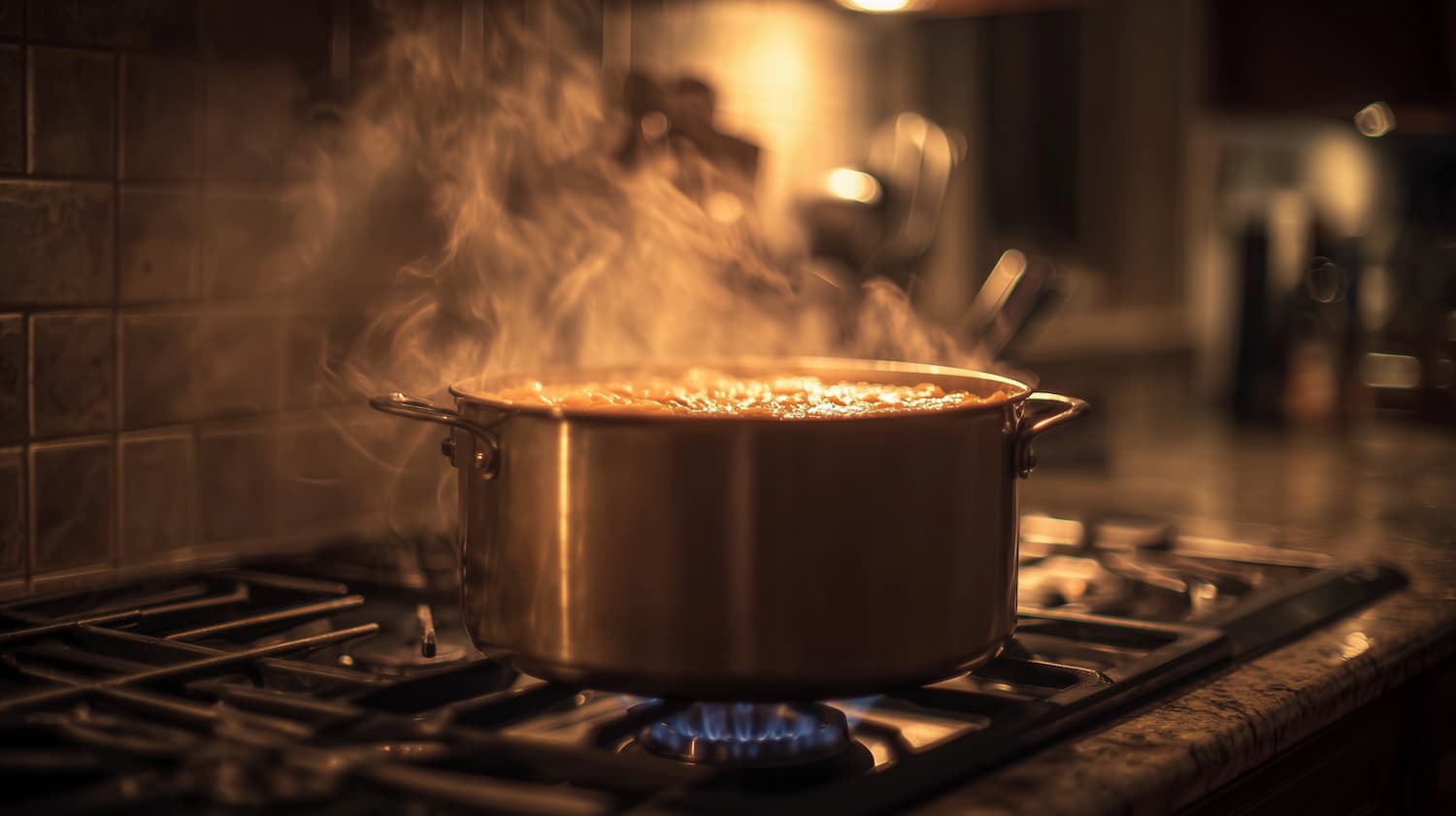
Risotto has long been the crown jewel of Italian comfort cuisine. Traditionally, it’s a slow, meditative process – a dance of stirring, ladling broth, and waiting for each grain of rice to absorb just the right amount of flavor. While this ritual has its charm, modern kitchens often demand simplicity and speed without sacrificing taste. The one-pot risotto is a refined, time-efficient version that captures the same creamy richness while fitting perfectly into everyday cooking.
This approach isn’t about shortcuts that spoil tradition; it’s about smart technique, thoughtful ingredients, and balance. With one pot and a bit of attention, it’s possible to recreate all the soul of the classic dish in a more streamlined way.
The Essence of Risotto
At its core, risotto is about texture – each grain tender but slightly firm, surrounded by a silky, starchy sauce. Achieving that texture depends on the right ingredients and method rather than constant stirring.
The foundation includes three essentials: good short-grain rice such as Arborio or Carnaroli, a flavorful broth (vegetable, chicken, or seafood), and high-quality Parmesan cheese. Olive oil, butter, and a splash of white wine complete the base, while finely chopped shallots or onions provide depth.
Traditional risotto builds its texture through continuous stirring and gradual broth addition. The one-pot method achieves the same result through careful heat control, using time and steam instead of endless motion.
Choosing the Right Ingredients
The modern risotto is flexible. It welcomes creativity and adjusts to whatever ingredients are in season. For a winter version, think earthy mushrooms and truffle oil. In spring, try lemon zest and peas for freshness. Summer risotto benefits from tomatoes and basil, while autumn calls for roasted pumpkin or butternut squash.
Olive oil adds lightness and prevents sticking, while butter enhances richness. Always warm your broth before adding it, so the rice cooks evenly without cooling the pot. And never underestimate Parmesan – freshly grated cheese adds the creaminess and aroma that defines authentic risotto.
The One-Pot Technique
To make a perfect one-pot risotto, start with a heavy-bottomed pan that retains heat evenly. Warm olive oil and butter together, then sauté onions or shallots until soft and translucent. Stir in the rice and toast it for a minute or two until the edges become slightly transparent. This step locks in flavor and ensures a firm, satisfying texture.
Next, pour in the white wine and let it simmer until almost absorbed. Then, instead of adding broth in stages, pour in all the warm broth at once. Bring it to a gentle simmer, cover, and cook over low heat for about fifteen to seventeen minutes. The steam will help the rice absorb the liquid gradually, developing its creamy consistency without constant stirring.
When the rice is tender with a slight bite, remove the lid and stir. Add Parmesan, a little butter, and any additional ingredients – sautéed mushrooms, roasted vegetables, or blanched peas. Taste, season, and adjust the texture with a splash of hot water if needed.
The result is a smooth, glossy risotto ready to serve straight from the pot – simple, rich, and deeply comforting.
Why the One-Pot Method Works
This method may appear to break the rules, but it’s grounded in the same science that makes traditional risotto special. The starch from the rice thickens the broth as it cooks, creating a natural creaminess. By maintaining gentle, even heat, the grains release just enough starch without breaking down.
Covering the pot allows steam to circulate, ensuring uniform cooking. The result is a perfectly balanced risotto with minimal effort – proof that modern technique can respect old-world flavor.
Flavor Variations Through the Seasons
Risotto is endlessly adaptable. Once the technique is mastered, variations can follow the rhythm of the year:
- Mushroom and Truffle Risotto for winter comfort.
- Lemon and Asparagus Risotto for spring freshness.
- Tomato and Basil Risotto for a summer garden feel.
- Pumpkin and Sage Risotto for autumn warmth.
Each version retains the creamy core but expresses a different personality through its ingredients.
Presentation and Pairing
Serve risotto immediately – timing is everything. As it cools, the texture thickens and loses its shine. A shallow bowl helps display its creamy movement, while a drizzle of olive oil or sprinkle of herbs adds elegance.
Pair with crisp white wines like Pinot Grigio, or a lightly oaked Chardonnay for richer versions. Even a sparkling Prosecco works beautifully with lemon-based risottos, bringing out their brightness.
Cooking with Mindfulness and Sustainability
Modern cooking is also about mindful choices. Using seasonal, locally sourced produce not only improves flavor but supports sustainability. Leftovers don’t need to go to waste – chilled risotto can become arancini, the golden fried rice balls popular across Italy. This way, one dish gives life to another.
Reducing waste and focusing on ingredient quality reflects the essence of contemporary cuisine: thoughtful, resourceful, and respectful of tradition.
A New Balance Between Tradition and Simplicity
The one-pot risotto bridges two worlds – it honors the careful spirit of Italian cooking while embracing modern practicality. It proves that great food doesn’t have to be complicated or time-consuming; it just needs attention and balance.
When a pot of risotto bubbles gently on the stove, filling the air with the scent of butter, wine, and Parmesan, it feels timeless. Whether it’s made in a quiet countryside kitchen or a city apartment, the pleasure remains the same: warmth, comfort, and the simple joy of sharing good food.